
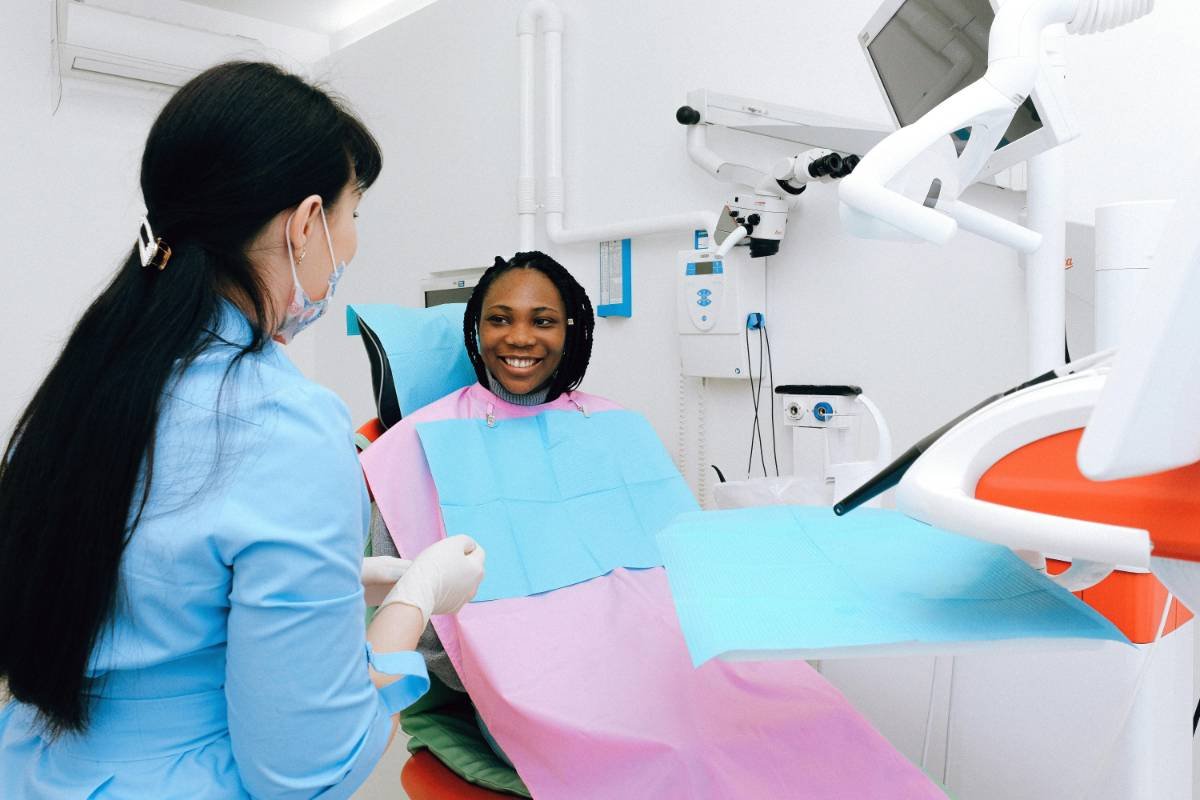
Brampton Bone Graft
Brampton is a thriving and diverse city within the Greater Toronto Area, known for its welcoming neighborhoods and commitment to overall health—including dental health. For individuals requiring advanced restorative dental procedures, Bone Graft Brampton services play a crucial role in supporting optimal oral function and aesthetic outcomes. As dental professionals, it is our mission to provide comprehensive insights into the bone grafting process and its transformative impact on oral rehabilitation for Brampton residents. This article explores everything you need to know about Bone Graft Brampton: what it is, why it’s necessary, the different types, procedural steps, aftercare, and how to choose the right dental provider in Brampton. Whether you are considering a dental implant, have suffered bone loss, or are simply curious about the process, this guide will empower you to make informed decisions about your oral health.
Table of Contents
- What is Bone Grafting?
- Why is Bone Grafting Needed in Brampton?
- Types of Bone Grafts
- The Bone Grafting Procedure
- Aftercare and Recovery
- Risks and Complications
- Bone Grafting and Dental Implants
- Choosing a Bone Graft Specialist in Brampton
- Frequently Asked Questions
- Conclusion
What is Bone Grafting?
Bone grafting is an advanced dental procedure used to restore or augment bone in the jaw. It involves transplanting healthy bone tissue—either from your own body, a donor, or synthetic materials—into an area where bone is deficient. The primary goal is to encourage new bone growth, providing a stable foundation for dental implants, dentures, or other restorative treatments. In Brampton, bone grafting is often recommended for patients who have experienced bone loss due to tooth extraction, gum disease, trauma, or congenital conditions. The procedure supports both oral health and facial structure, preventing the sunken appearance that can result from untreated bone loss.Why is Bone Grafting Needed in Brampton?
Brampton’s population is rapidly growing, and with it comes an increased demand for advanced dental care. Bone Graft Brampton is frequently required for:- Dental Implant Placement: Implants require sufficient bone for stability and long-term success. Grafting ensures the jawbone can support the implant.
- Periodontal Disease: Advanced gum disease can erode bone structure; grafting helps restore lost bone and maintain oral health.
- Trauma or Injury: Accidents or injuries may damage jawbone integrity, necessitating reconstruction.
- Congenital Defects: Some individuals are born with insufficient jawbone, which can be corrected through grafting.
Types of Bone Grafts
Several types of bone grafts are available, each with unique benefits. The choice depends on your specific condition, health status, and treatment goals. Your Brampton dental specialist will recommend the most suitable option:- Autografts: Bone is harvested from your own body (commonly the chin, jaw, or hip). This method is highly biocompatible and carries a low risk of rejection.
- Allografts: Bone tissue from a human donor (usually cadaver bone, carefully screened and sterilized). This avoids a second surgical site.
- Xenografts: Bone sourced from animals, typically bovine. It acts as a scaffold for your natural bone to grow and replace it over time.
- Alloplasts: Synthetic materials, such as calcium phosphates, designed to mimic natural bone and stimulate regeneration.
The Bone Grafting Procedure
The Bone Graft Brampton process is performed under local anesthesia or sedation for your comfort. Here’s a step-by-step overview:- Consultation and Planning: A thorough examination, including digital X-rays or 3D scans, is conducted to assess bone quality and plan the graft location.
- Anesthesia: The area is numbed to ensure a pain-free experience.
- Incision: A small incision is made in the gum tissue to access the bone.
- Graft Placement: The chosen bone graft material is carefully placed in the targeted area.
- Stabilization: The graft is secured, sometimes with a membrane or small screws, to encourage integration.
- Suturing: The gum tissue is stitched back into place.
- Healing: Over several months, the graft bonds with your natural bone, creating a robust foundation for future dental work.
Aftercare and Recovery
Proper aftercare is essential for successful Bone Graft Brampton results. Your dentist will provide detailed instructions, which typically include:- Medications: Antibiotics and pain relievers may be prescribed to prevent infection and manage discomfort.
- Oral Hygiene: Gentle brushing and rinsing with a prescribed mouthwash to keep the area clean.
- Dietary Modifications: Stick to soft foods and avoid chewing near the graft site during initial healing.
- Activity Restrictions: Avoid strenuous activities for several days post-surgery.
- Follow-Up Visits: Regular check-ups to monitor healing progress.
Risks and Complications
While Bone Graft Brampton procedures are generally safe and highly successful, as with any surgical intervention, there are potential risks. These may include:- Infection at the graft site
- Bleeding or swelling
- Graft rejection or failure
- Nerve damage (rare)
- Sinus complications (for upper jaw grafts)
Bone Grafting and Dental Implants
Many Brampton patients seeking dental implants may require bone grafting to ensure a stable base for their new tooth. Insufficient bone density can compromise implant success, leading to instability or implant failure. Grafting procedures restore the necessary volume and density, maximizing the longevity and strength of dental implants. At J. Melbourne Dental, we integrate the latest technology and materials to deliver predictable results for both bone grafting and implant therapy.Choosing a Bone Graft Specialist in Brampton
When considering Bone Graft Brampton, selecting a qualified and experienced dental provider is paramount. Here’s what to look for:- Advanced Training: Ensure your dentist has specialized training in oral surgery and bone grafting procedures.
- Modern Technology: Choose a clinic equipped with digital imaging, 3D planning, and advanced surgical tools.</li
Related Pages
- dentist north york
- best dentist north york
- dental clinic north york
- family dentist north york
- Walk In Dentist North York
- Dentist Open Saturday North York
- Dentist Open Sunday North York
- Dentist Open Late North York
- Dentist Near Me
- Dentist Open Now Near Me
- Cosmetic Dentist North York
- Cosmetic Dentistry North York
- Teeth Whitening North York
- Zoom Teeth Whitening North York
- Professional Teeth Whitening North York
- Veneers North York
- Porcelain Veneers North York
- Dental Bonding North York
- Smile Makeover North York
- Veneers Cost North York
- Teeth Whitening Near Me
- Veneers Near Me
- Orthodontist North York
- Orthodontics North York
- Braces North York
- Clear Braces North York
- Invisalign North York
- Invisalign Provider North York
- Invisalign Cost North York
- Braces Cost North York
- Orthodontist Near Me
- Invisalign Near Me
- Pediatric Dentist North York
- Kids Dentist North York
- Children Dentistry North York
- Dental Sealants North York
- Sealants For Kids North York
- Pediatric Dentist Near Me
- Custom Mouth Guard North York
- Sports Mouth Guard North York
- Night Guard North York
- Mouth Guard Near Me
- Night Guard Near Me
- Dental Implants North York
- Implant Dentist North York
- Dental Implant Cost North York
- All On 4 Implants North York
- Implant Supported Dentures North York
- Bone Graft North York
- Sinus Lift North York
- Dental Implants Near Me
- Dentures North York
- Denture Clinic North York
- Partial Dentures North York
- Implant Dentures North York
- Denture Repair North York
- Dentures Near Me
- Root Canal North York
- Root Canal Treatment North York
- Endodontist North York
- Root Canal Near Me
- Dental Crowns North York
- Porcelain Crown North York
- Dental Crown Near Me
- Dental Bridge North York
- Crowns Near Me
- Wisdom Teeth Removal North York
- Tooth Extraction North York
- Oral Surgeon North York
- Wisdom Teeth Removal Near Me
- Dental Cleaning North York
- Teeth Cleaning North York
- Dental Check Up North York
- Dental Exam North York
- Emergency Toothache North York
- Broken Tooth Repair North York
- Tooth Pain Dentist Near Me
- New Patient Dentist North York
- Walk In Dentist Brampton
- Dentist Open Saturday Brampton
- Dentist Open Sunday Brampton
- Dentist Open Late Brampton
- Cosmetic Dentist Brampton
- Cosmetic Dentist Brampton
- Cosmetic Dentistry Brampton
- Teeth Whitening Brampton
- Zoom Teeth Whitening Brampton
- Professional Teeth Whitening Brampton
- Veneers Brampton
- Porcelain Veneers Brampton
- Dental Bonding Brampton
- Smile Makeover Brampton
- Veneers Cost Brampton
- Orthodontist Brampton
- Orthodontics Brampton
- Braces Brampton
- Clear Braces Brampton
- Invisalign Brampton
- Invisalign Provider Brampton
- Invisalign Cost Brampton
- Braces Cost Brampton
- Pediatric Dentist Brampton
- Kids Dentist Brampton
- Children Dentistry Brampton
- Dental Sealants Brampton
- Sealants For Kids Brampton
- Pediatric Dentist Near Me
- Custom Mouth Guard Brampton
- Sports Mouth Guard Brampton
- Night Guard Brampton
- Dental Implants Brampton
- Implant Dentist Brampton
- Dental Implant Cost Brampton
- Implant Supported Dentures Brampton